Innovative Therapies
Functional Proteomics in Health and Disease
Biomarkers
Translational Research
Proteomics/Metabolomics
Mass Spectrometry
Big Data

Research lines
Translational biomarkers and therapy for Hypoxic-ischemic encephalopathy (HIE)
Biomarker research for psychiatric diseases including schizophrenia, bipolar disorder, and autism spectrum disorder
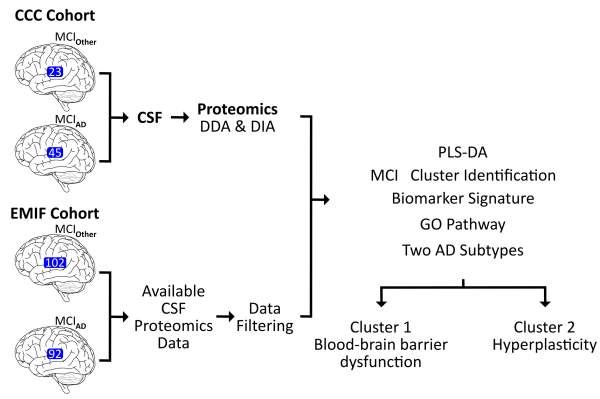
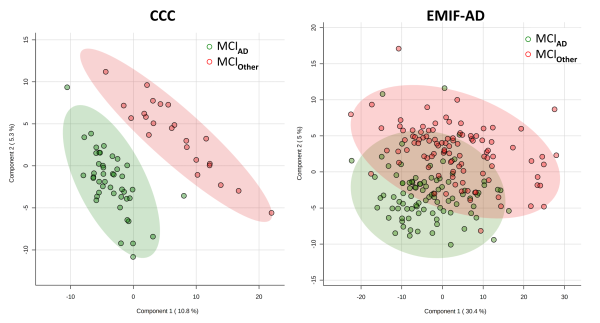
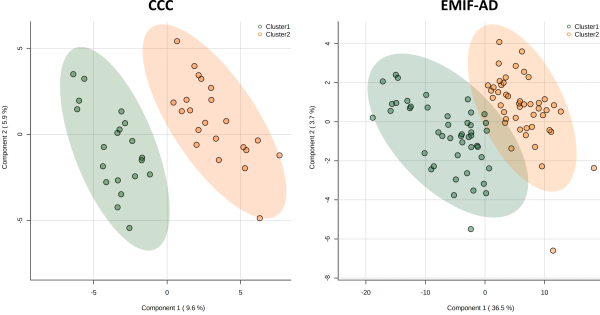
Translational research for biomarkers of neurodegenerative disorders, including Parkinson's Disease and Alzheimer's Disease
Elucidation of long-term psychotropic medication mechanisms
Interactomics approaches to identify new signaling pathways
Overview
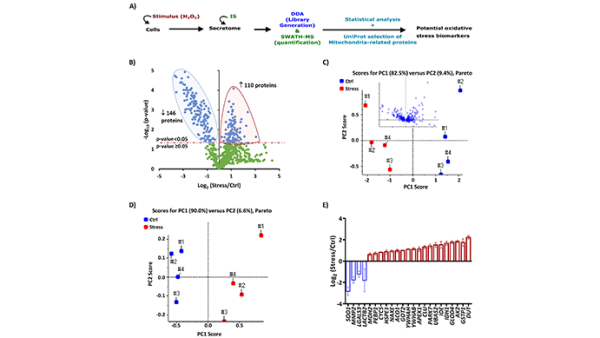
Our research group has developed advanced mass spectrometry approaches to be used in multiple biomedical questions. The approaches range from small molecule quantification, as neurotransmitters and metabolites, to proteome profiling, identification of post-translation modifications, and intact protein analysis to identify proteoforms. The questions have been mainly focused on understanding cell biology mechanisms through interactomics or proteomics screenings; identification of disease biomarkers directly from human samples or through translational research approaches; elucidation of psychotropic long-term therapy brain modulation; and identification and quantification of drugs and metabolites in health and disease.
Team



















Publications
Information about journal articles, updated at 23-11-2026, from platform CIÊNCIAVITAE.
5 out of 212 Publications